
1. Confirm the Vehicle and Route
Provide the vehicle type, pickup location, destination and preferred date when requesting transportation. These details help the moving company understand the route and the handling requirements involved.
2. Remove Personal Belongings
Take loose personal items out of the car or two-wheeler before handover. This keeps the vehicle easier to inspect and avoids confusion about belongings that are not part of the transportation service.
3. Check the Vehicle Condition
Before pickup, inspect the exterior and note any existing scratches, dents or visible damage. Taking clear photographs can give you a useful record of the vehicle’s condition before transportation.
4. Keep Required Documents Ready
Keep the relevant vehicle and identification documents available for the handover process. Ask the service provider in advance which documents or copies are required for your particular route.
5. Prepare the Fuel Level and Accessories
Avoid leaving unnecessary items or removable accessories inside the vehicle. Follow the transporter’s guidance about fuel level, alarms and detachable accessories so the vehicle is ready for loading.
6. Understand the Loading Process
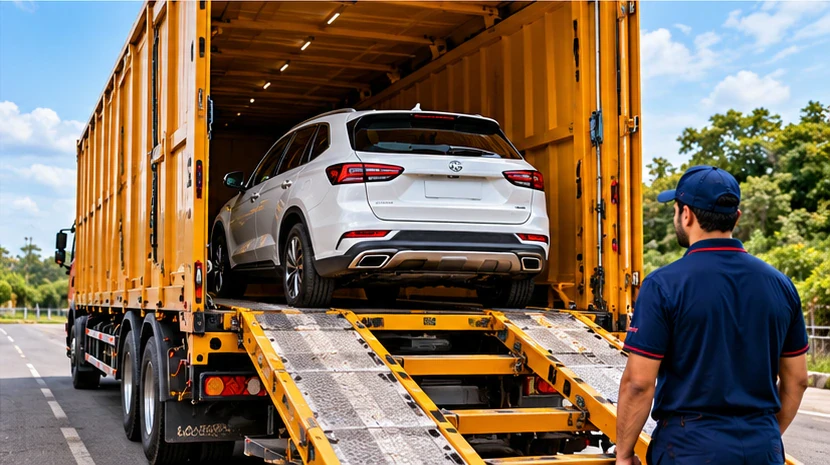
Cars and two-wheelers need appropriate loading and securing methods during transportation. Ask how the vehicle will be loaded, secured and unloaded so you understand the process before confirming the booking.
7. Keep Contact Details Available
Make sure the pickup and delivery contacts are correct and reachable. Clear communication helps coordinate the handover, destination access and any timing updates related to the transportation.
8. Inspect the Vehicle at Delivery
When the vehicle arrives, inspect it before completing the handover. Compare its visible condition with your pre-transport photographs and check that the vehicle and accessories are returned as expected.